Our Matcha
What Makes Our Shizuoka Matcha Different
By Gavin McFarlane
A century of organic farming in Kakegawa, a distinctive deep-steamed style, and a flavor profile built for how we drink matcha.
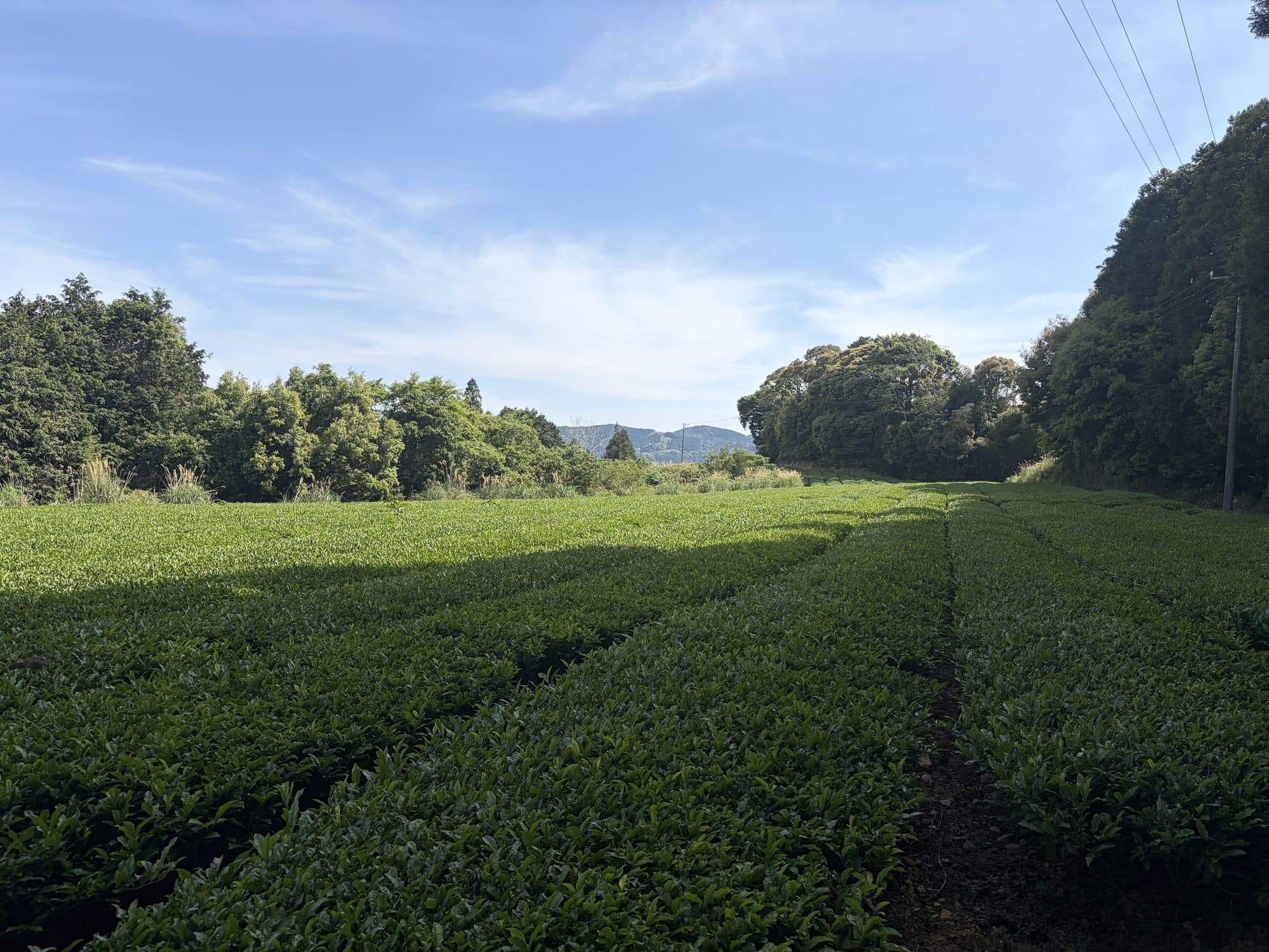
We source our matcha from Matsushita Tea Garden, a family farm in Kakegawa, Shizuoka that has grown tea for about a century. Today it's one of the leading organic tea farms in the region.
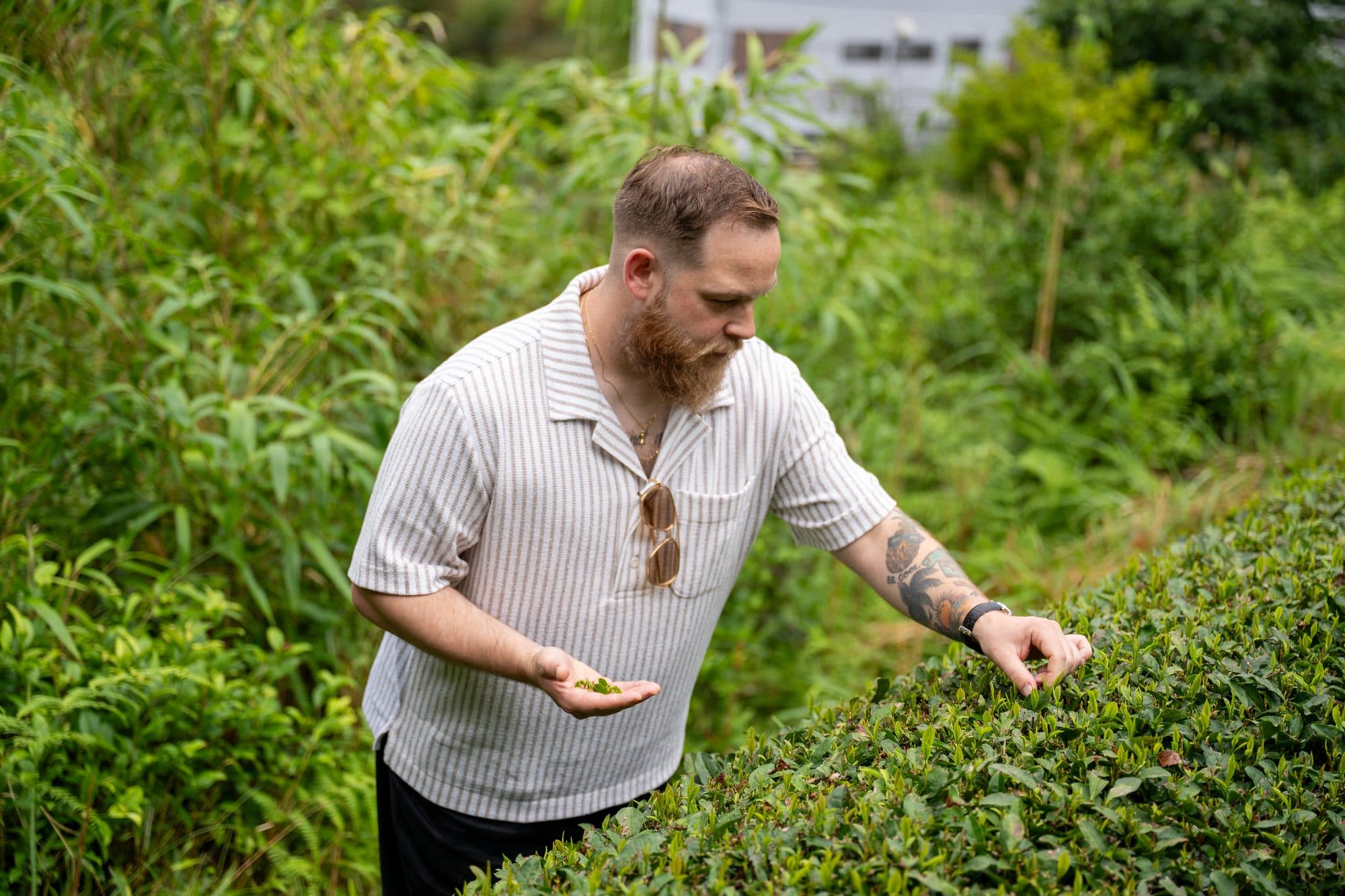
How our deep-steamed matcha is made
Kakegawa is especially well known for fukamushi sencha, or deep-steamed sencha. In this style, the tea leaves are steamed for longer than standard sencha, which gives the leaves a deeper green color and takes out much of the bitterness.
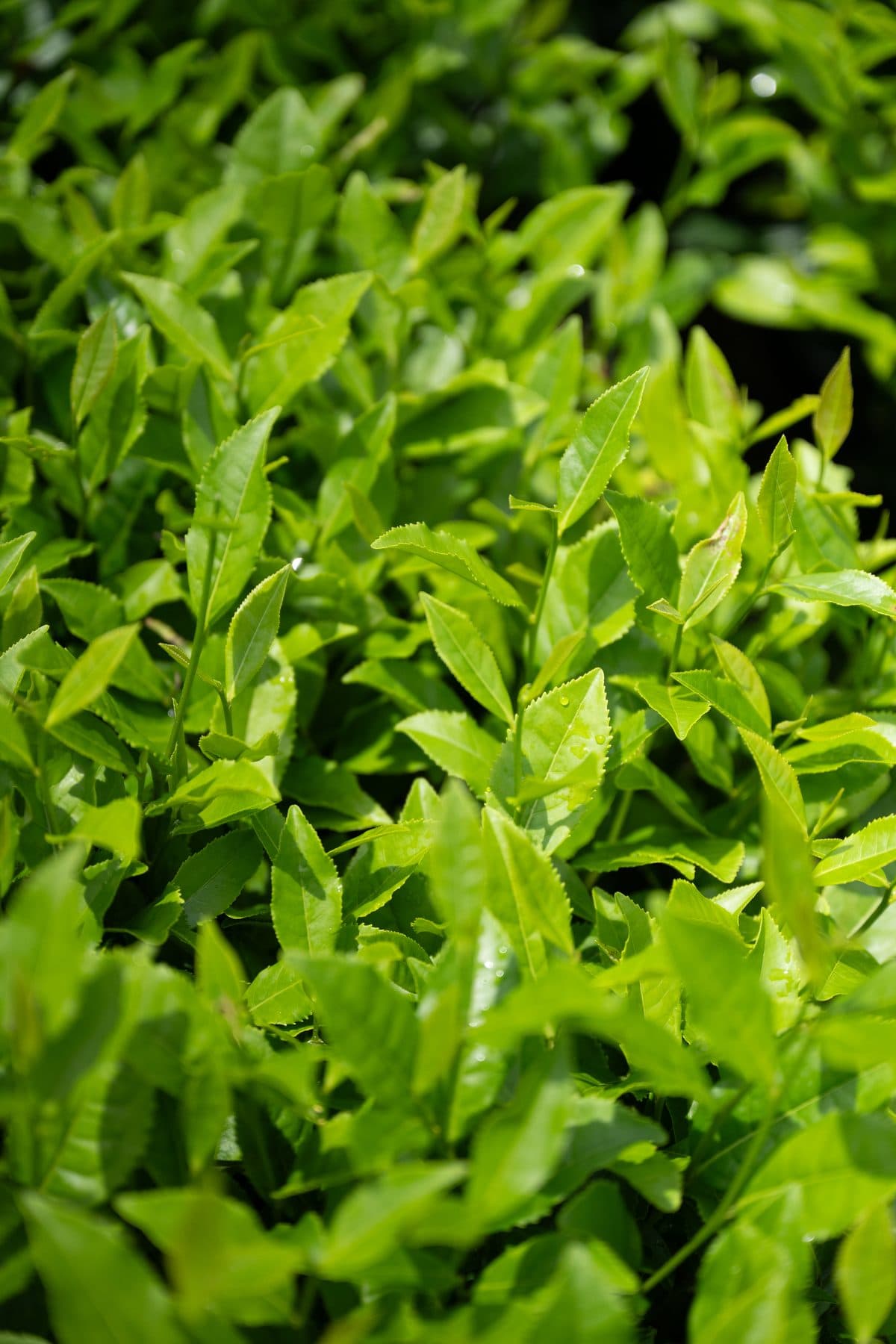
Inside our organic matcha farm in Kakegawa
Matsushita Tea Garden is larger than many Japanese tea farms, with about 19 hectares under cultivation. That scale allows the farm to invest in its own production methods, modern facilities, and a direct relationship with Vale. It also attracts passionate tea makers from around Japan who want to work in a place with a serious commitment to organic farming and quality.
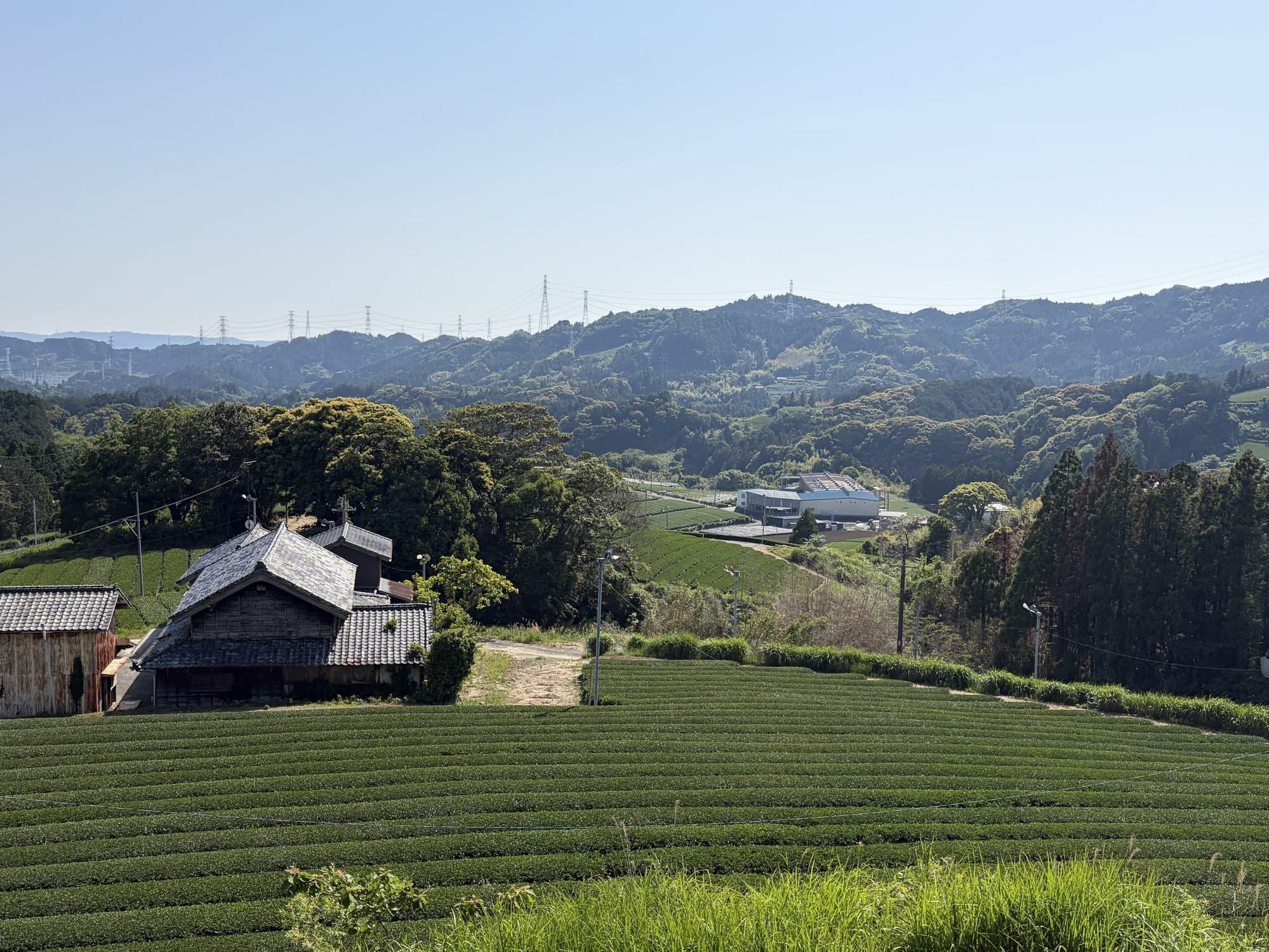
Chagusaba: the organic soil method behind our tea
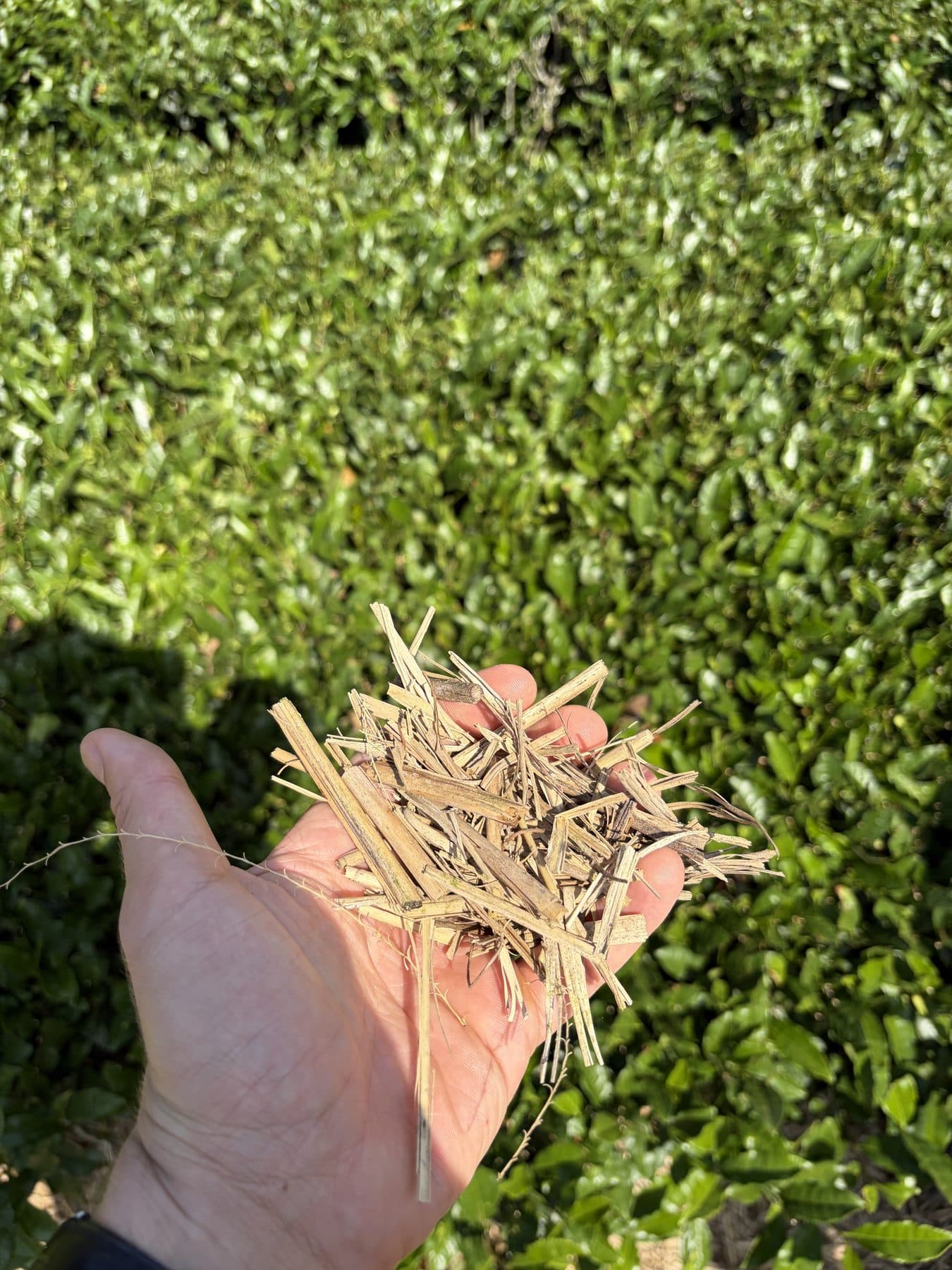
One of the most important parts of the farm's approach is soil. The farm uses a traditional Shizuoka method called Chagusaba, where grasses from around the tea fields are cut, dried, and laid around the tea bushes as natural mulch. Over time, this returns organic matter to the soil and supports the long-term health of the plants.
Shizuoka matcha vs Uji matcha
The flavor profile is slightly different from what people often associate with Uji matcha. While Uji is known for deep, concentrated umami, ours is lighter and fresher. It coats your mouth and finishes clean, which is why it works so well cold, the way we recommend drinking it.
Natural umami over synthetic intensity
Heavy use of synthetic nitrogen can create a bright green tea with an intense, almost MSG-like savory flavor, but that flavor can feel cloying or artificial. We'd rather taste the plant and the soil it grew in.
Mature Yabukita: the cultivar behind our matcha
Most of the tea plants currently used are Yabukita, a classic Japanese cultivar, and many are in the middle of their productive life. Very young plants can be clean and bright but may lack complexity. Older plants can be interesting, but age alone does not guarantee better tea. The sweet spot is often mature, well-managed plants with enough age to develop character while still producing clean, vibrant leaves.
Where our matcha comes from: Kakegawa, Shizuoka
The broader story is that great matcha does not only come from the most famous names. Kakegawa and Shizuoka have generations of tea-growing knowledge, strong agricultural pride, and a distinctive style of their own. For Vale, that means a matcha with organic farming behind it, real regional character, and a flavor profile that is bright, refreshing, and deeply drinkable.
Taste the difference
Our ceremonial matcha comes from this farm. Smooth, never bitter, and made for cold preparation.