Vale Farms
What Makes Growing Tea in Washington Unique
By Gavin McFarlane
Washington isn't exactly known as tea country, and that's precisely what makes Vale Farms' work on Whidbey Island so interesting.
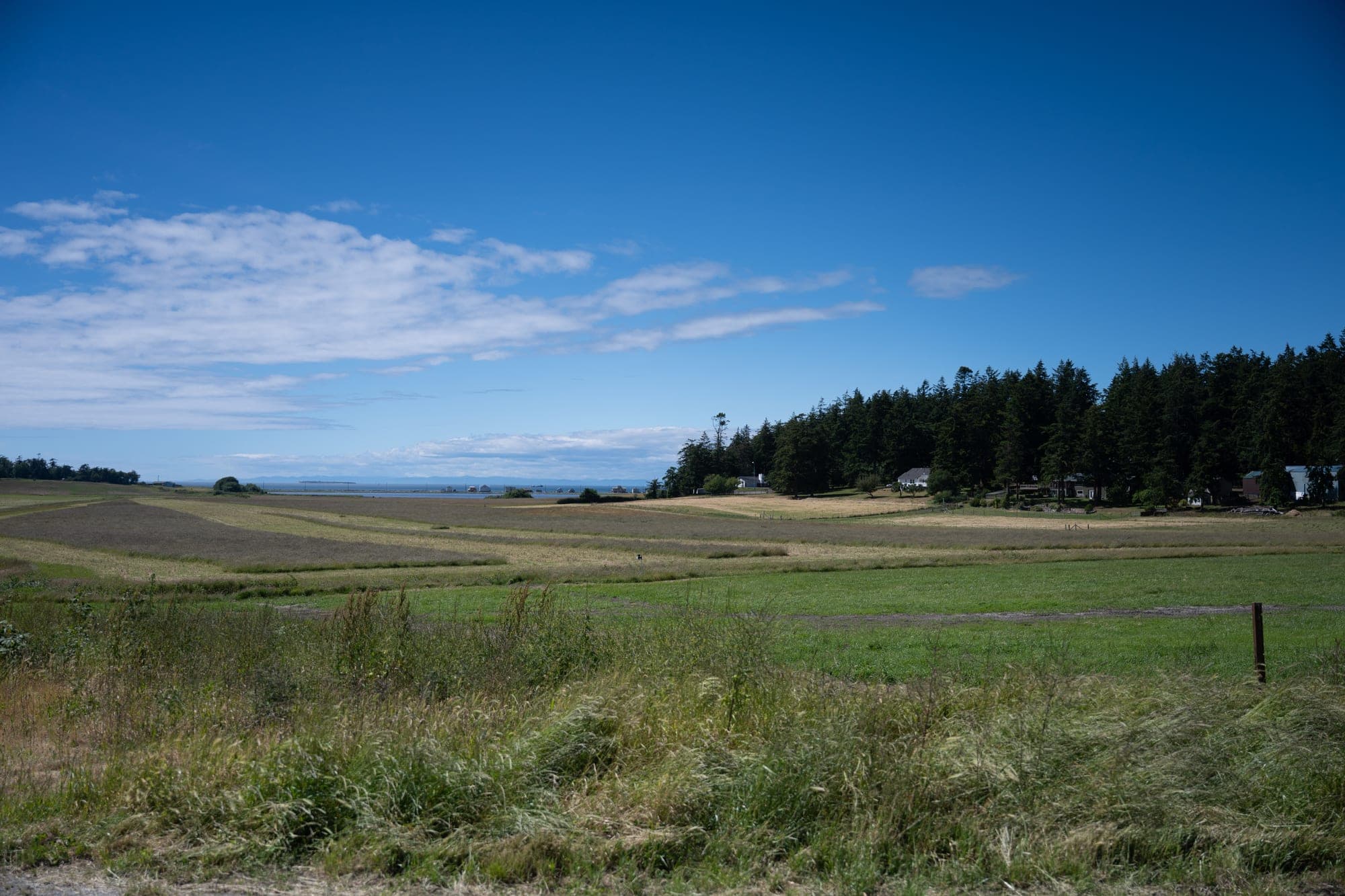
Washington isn't exactly known as tea country, and that's precisely what makes Vale Farms' work on Whidbey Island so interesting. Every place where tea has ever been grown has had to earn its own answers to the same questions: what does this land want to give, and what will it take to help it thrive? On Whidbey, those answers are still being written.
Working with, not against, the climate
The island's cooler climate means the tea plants at Vale Farms grow more slowly than they would in most of the world's major tea-growing regions. Add in the significant wind pressure that rolls across Whidbey, and it's clear the farm's team has had to plan carefully: choosing hardy cultivars, siting fields thoughtfully, and building in the patience that a slower-growing plant demands. It's not the easiest environment to grow tea in. It might just be one of the most rewarding.
A different kind of terroir
Ask any tea grower and they'll tell you that place matters. Soil chemistry, biology, rainfall, the shape of the land itself–all of it shows up eventually in the cup. That's the idea of terroir, and it's a big part of what has Gavin McFarlane and the rest of the Vale team so genuinely excited. Nobody can say with certainty what Whidbey Island tea is going to taste like yet, and there's something wonderful about that kind of open question.
What sets Whidbey apart from so much of western Washington is written right into the ground. While much of the region's soil carries the fingerprints of ancient volcanic activity, Whidbey Island's soil tells a different story: one shaped almost entirely by glacial activity over the last 10,000 to 15,000 years. That history has left behind dense glacial till, sand, and gravel, forming soil that drains beautifully and carries a favorable acidity for tea. It's a markedly different profile than what you'd find in the volcanic soils of the Cascadia Range, or in many of Japan's celebrated tea regions. Different soil, different story, different tea–and that's exactly the point.
Growing soil for the decades ahead
Long before the first harvest ever comes in, Vale Farms is already thinking generations ahead. Weeds cleared from the fields aren't hauled away, they're left right where they fall, because that plant matter is organic gold: nutrients the soil has already worked hard to produce. Left in place, it breaks down slowly, feeding the microbial life in the soil and returning nutrients back to the earth over time. In a perennial system like this one, where the same tea plants will be productive for decades, that patient cycle of return is an investment in every future harvest.
Watch it take root
The first fields are in the ground on Whidbey Island. Follow along as Vale Farms grows.